
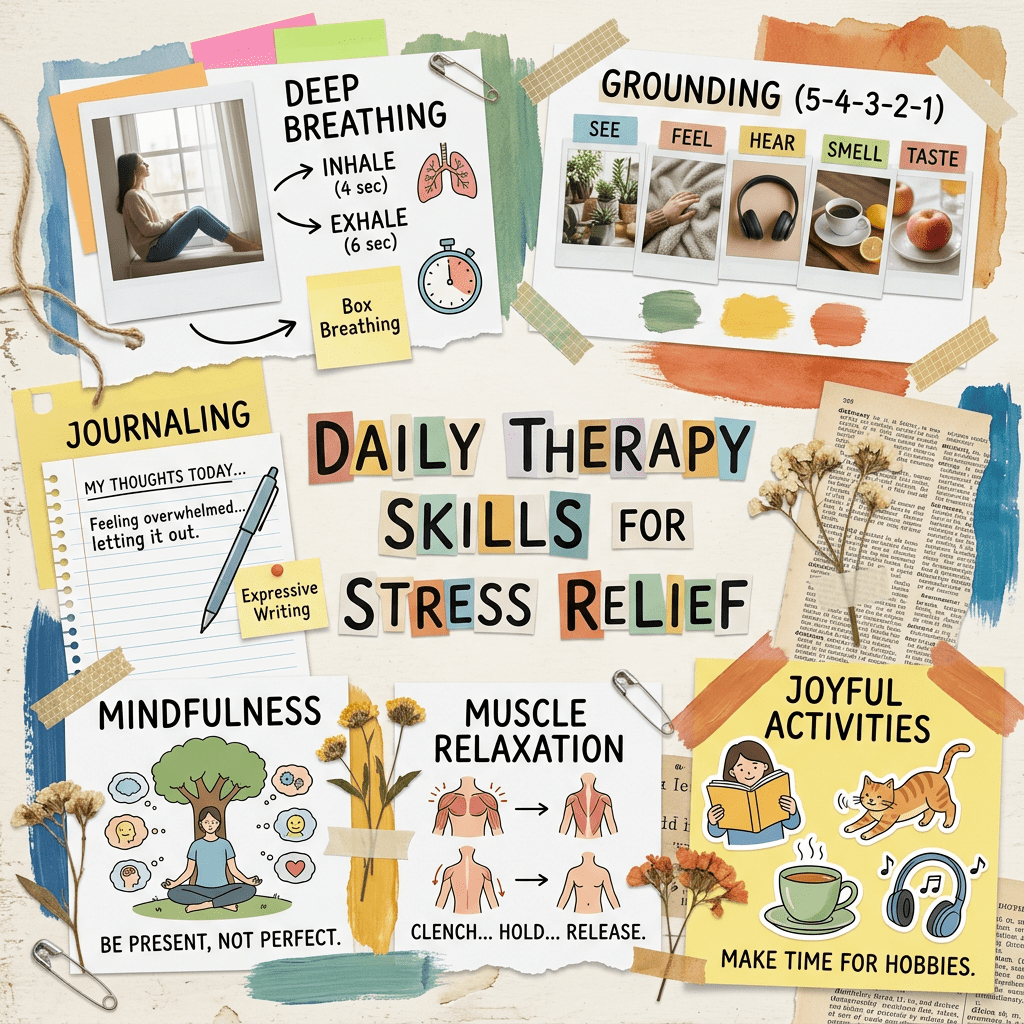
“The more man meditates upon good thoughts, the better will be his world and the world at large.” — Confucius
“If you want to live a happy life, tie it to a goal, not to people or things.”– Albert Einstein
“Anxiety in a man’s heart weighs him down, but a good word makes him glad.” Christian Bible– Proverbs 12:25
Welcome
My name is Joline Morgan, LPC, a Licensed Professional Counselor in Missouri with 20+ years of experience. I focus on families and children facing challenges at home and school, including behavioral and attachment issues.
I have worked with neurodiverse clients, including those with Autism, Sensory Processing challenges, ADHD, and learning disabilities. I use attachment-based therapies, such as Theraplay, to help clients discover strengths, address behaviors, manage sensory needs, and set boundaries. My approach also incorporates play, art, behavior modification, and CBT.
I mainly work with families and children, but I also support those navigating divorce, major life changes, relationship struggles, daily stress, depression, anxiety, mood disorders, and anger. I help clients develop skills to achieve peace, direction, and comfort in their lives.
My therapeutic approach centers on person-centered and psychodynamic methods. I view clients as experts in their own lives and guide them in understanding their needs, rebuilding their lives, determining their readiness for change, and healing inner wounds.
My goal is to help you recognize your strengths, heal inner-child wounds and trauma, and gain a new perspective on life, offering you tools and support unique to your journey.
Although I have worked with children before, my practice is now exclusively online. I do not offer in-person sessions, but I apply my skills and expertise to support children who benefit from telehealth services.
I primarily support clients with childhood trauma, PTSD, and associated conditions such as anxiety, disordered eating, depression, OCD, and ADHD. My practice also addresses grief, traumatic grief, and separation related to loss.
I hold certification in Neurodiversity training focused on Autism and have experience addressing challenges faced by individuals with various neurodivergent conditions.
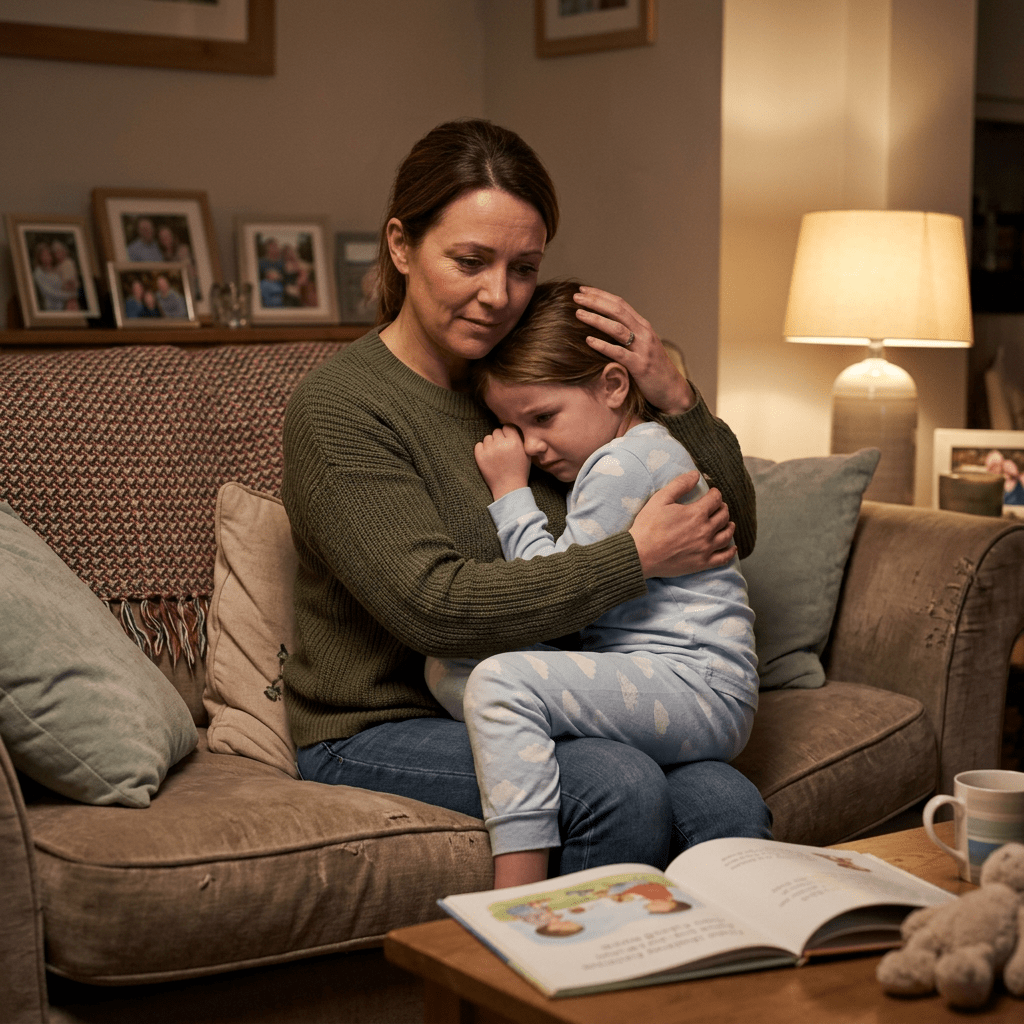
A mother gently comforts her upset child on the couch in the evening
Children have different reactions depending on how adults react. Fear in children can be exhibited as hyperactivity, anxiety, silliness, whining, and possibly aggression. Navigating through fear and uncertainty can be daunting for an adult.
How do we help our children in this trying time of uncertainty? How we react to the situation will help our children overcome anxiety and fear. Are we running to the grocery store and grabbing as many items as we can, fearing we won’t have enough, or are we calmly relying on our common sense? We listen to the media, social media, and anxiety. It is normal to look for items we need; safety needs are a basic instinct that governs lower-brain functioning, so we will run, fight, or freeze. At this time, people are running, fighting for essential food items and health needs like toilet paper. However, what are we telling our children?
What higher power do you believe in? During a crisis or a time of widespread fear, people may turn to their higher power for support, guidance, and strength. What are we showing our children in a time like this? Where do we gain strength and comfort? What type of behaviors are we exhibiting? What are we expecting out of them? Is it gone, or are we just learning to live with a new normal? What will it look like for our kiddos in the next 10 years? Also, what do the injections, infusions, and lack of them show us?
All good questions for thought and reflection.
To schedule a free 10-minute chat with a therapist, please email.

