

My personal story: I struggled with eating as a child. We had the “eat all that is on your plate” rule at home. I would say food made me sick, but I was told to stay until my plate was clean. Some foods, like chicken, hot dogs, and vegetables, were easy for me to eat. Others upset my stomach. Food and I had a love-hate relationship. I later discovered I was allergic to milk, beef, bread, and more. As I matured, I found that other allergies made it hard to eat a normal diet. Allergies, low self-esteem, and confusion about my identity formed a perfect storm for disordered eating.
During my teen years, a traumatic experience occurred: I was raped. This event brought emotional triggers and relationship issues, including body image and my connection with food. Unaware of anorexia nervosa, I did not realize I was starving myself. My body began to show usual symptoms—body hair, irregular menstrual cycles, hair loss, and difficulty gaining weight. At this time, I was 92 lbs.
Soon after, I noticed I was never hungry, always tired, and, strangest of all, had hair growing on my back. Years later, I realized these were signs of Anorexia. I struggled with body image for a long time. After my divorce, my weight dropped to 90 lbs again, and I was unable to manage the situation.
As my stress increased, I decided to seek help by admitting myself to a stress center (available in the 1990s). The center required me to stay for 7 days or until I could eat a turkey sandwich. This experience helped me realize bread was an issue for me. Although the doctor suspected I was just limiting my caloric intake, I eventually ate enough, gained 5 lbs, and was discharged.
Transitioning to adulthood, I still struggled. However, I learned to appreciate myself at any weight. It wasn’t easy; it was one of the hardest things I faced. I never felt hungry, counted calories, cut down on food, walked a lot, and became upset about changes in my clothing size. Most of the time, I disliked how I looked and felt, but gradually developed skills to overcome my thinking errors.
Over time, learning CBT and trusting in my higher power (Jesus) gave me strength. I arrived at a place where I liked and eventually loved myself. My disordered eating is not completely over—I still struggle with middle-aged weight and self-acceptance. However, I no longer starve myself, over-exercise, binge, or purge. I keep things in moderation and use thought stopping to remind myself that I am okay as I am.
We work with clients who suffer from eating disorders using CBT. We understand eating disorders and their impact on clients and families. We also help families recognize signs, symptoms, and challenges.
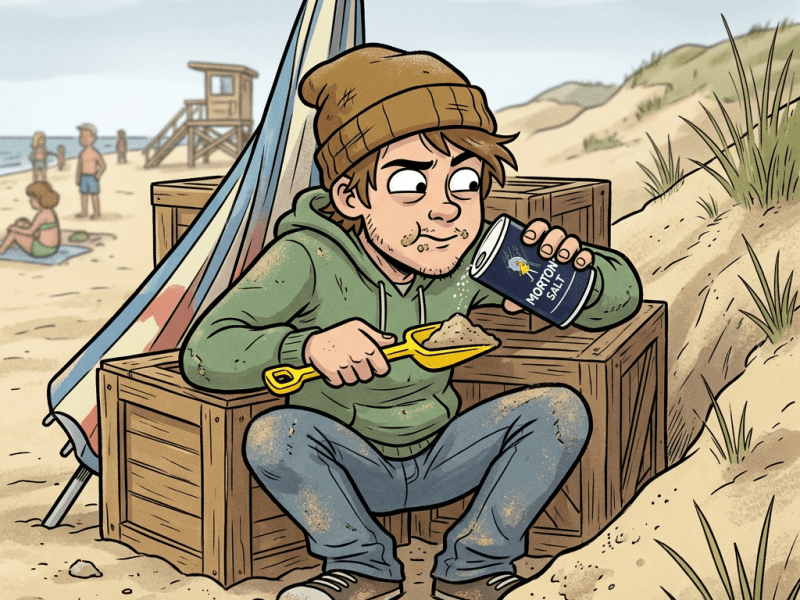
Pica
According to the American Psychiatric Association– “Eating disorders are behavioral conditions characterized by severe and persistent disturbance in eating behaviors and…

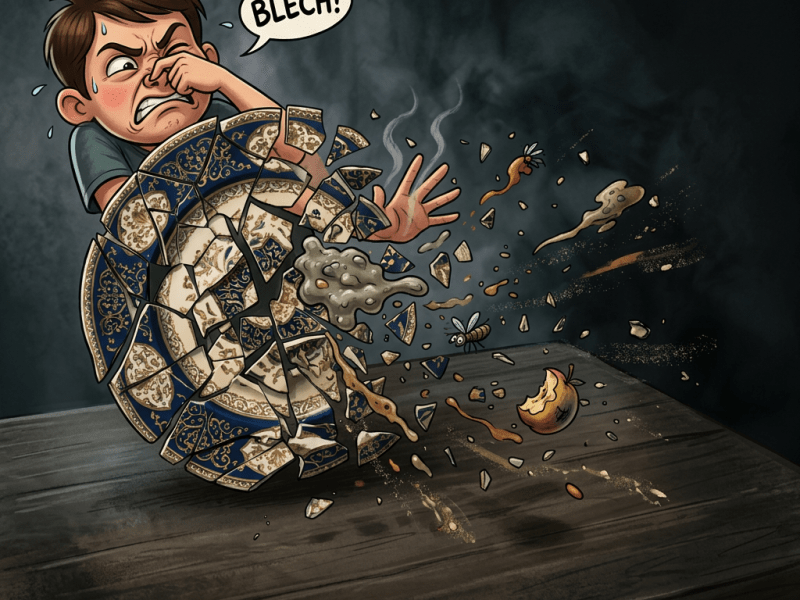
Avoidant Restrictive Food Intake Disorder
According to the American Psychiatric Association– “Eating disorders are behavioral conditions characterized by severe and persistent disturbance in eating behaviors and…
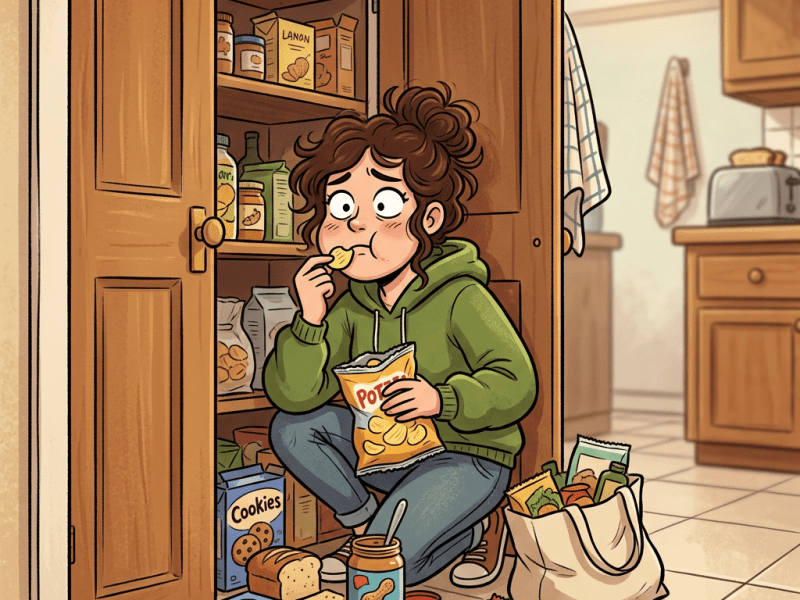
Bulimia Nervosa
According to the American Psychiatric Association– “Eating disorders are behavioral conditions characterized by severe and persistent disturbance in eating behaviors and…
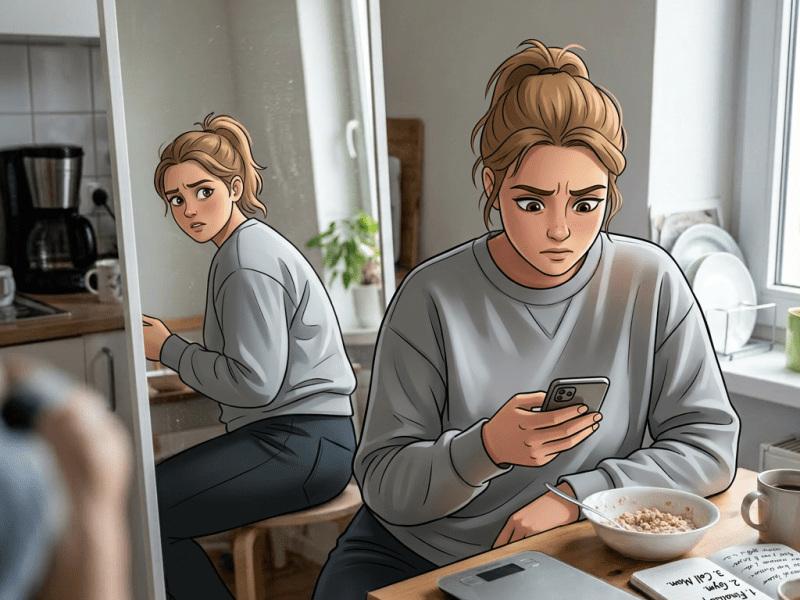
Anorexia Nervosa
According to the American Psychiatric Association– “Eating disorders are behavioral conditions characterized by severe and persistent disturbance in eating behaviors and associated distressing thoughts and emotions. They can be severe conditions affecting physical, psychological, and social function. Types of eating disorders include anorexia nervosa, bulimia nervosa, binge eating disorder, avoidant restrictive food intake disorder, other…
 therapyeveryday.com