
Making decisions can be difficult. One method is the Change Method/ therapy or Motivational Interviewing. It sounds much more impressive than it is. Five simple questions help you to move forward.
Five basic questions to explore change are:
“Why would you want to make this change?”
“How might you go about it?”
“What are the three best reasons to do it?”
“How important is it to you?”, and
“What do you think you’ll do?”
Here are 5 core questions for MI and change:
Why would you want to make this change?
What are the best reasons to do it?
How might you go about it in order to succeed?
How important is it for you to make this change, and why?
What are you ready/willing to do?
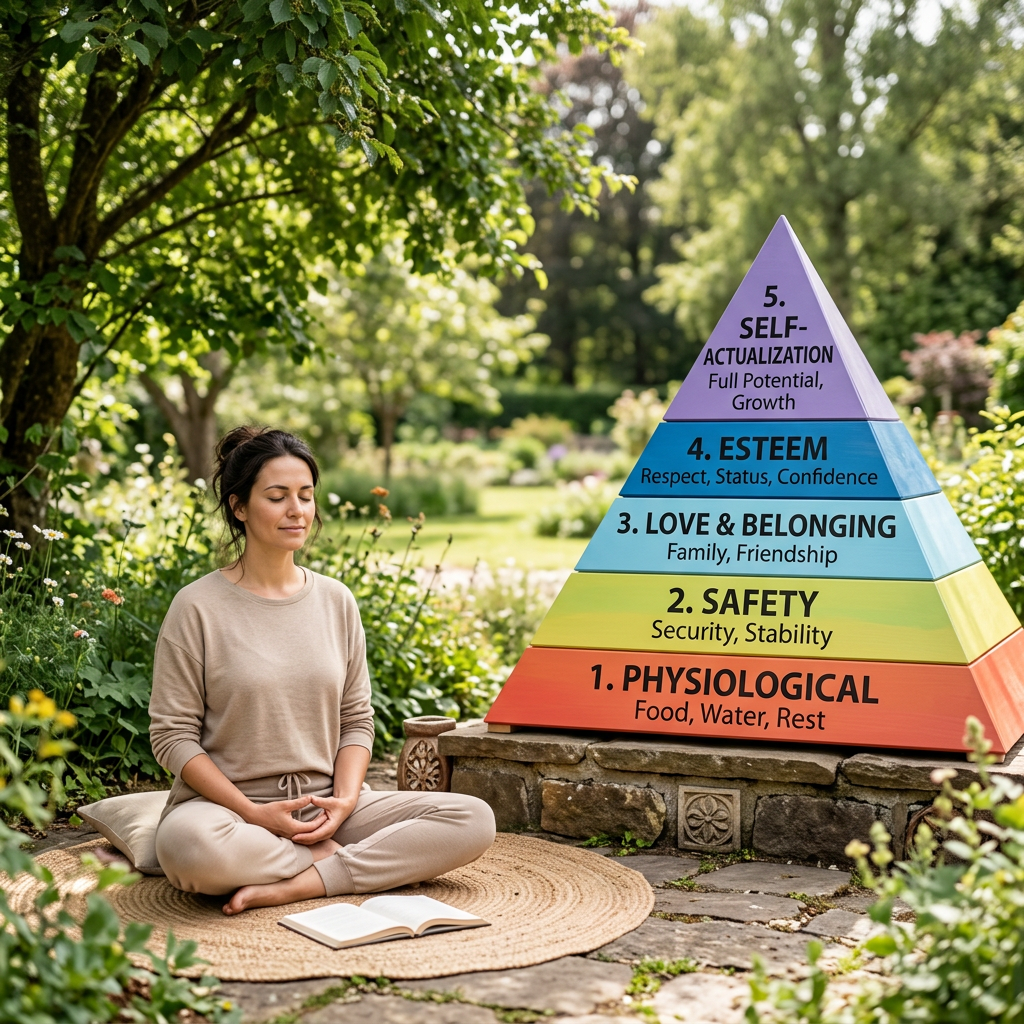
Remembering Maslow’s Hierarchy of Needs gives you an idea of why we tend to be more fearful at times in our lives. It also shows why some things don’t bother us yet continue to stress others. Physiological needs: your basic living needs. Food & water, shelter, rest, warmth. They are also basic needs for building a secure, safe home. Without them, you are not able to focus on anything but living and surviving. Your fight, flight, or freeze responses may surface when you feel your survival is in danger.
- Safety Needs: These are important to each person at different levels. Knowing you are secure, safe, building a future, and protected. These needs fall into the categories of family, self-safety, employment, health, and home. If you live in an area that is unsafe, has no growth, or your job is in jeopardy, you may only focus on safety needs, and fall back into fear of your physiological needs of shelter, food, and warmth (utilities)
- Love and Belonging: Once you have your physiological needs met and feel your safety needs are met, you will look for relationships. Love, friends, family, building a family, intimacy. When the other two needs have been met, you are ready to grow your circle of friends, family, and life as you see it happening for you. Your goals have shifted to this area because you are not focused on safety, building, or building a home.
- Esteem: Now you can build yourself up. Some people or many people, it is reported, come to therapy in their 40’s. They are ready to build their self-esteem and confidence, set goals for achievement, respect themselves and others, and have others respect them. When this falls apart because of a divorce, job loss, trauma, or tragedy, you may fall back to needing love and belonging or the safety needs.
- Lastly, there is Self-actualization: here, you know yourself, you are safe and secure in your life, you understand your goals, and feel like you can ‘just be’. Things people struggle with or fear, you don’t see as a problem. I like the idea of what the worst-case scenario is, and you have already experienced it, so you are ready to move on. It is knowing who you are, being creative and spontaneous, solving problems without panic, being open-minded, and accepting the facts without being swayed either way. You are more solid in your own values.

