
Sorrow and Rage
As we get older, we tend to look back a little more, sometimes bringing joy, comfort, or regret. Reflecting on the loss of life, dreams, or direction evokes a range of emotions. Recently, I’ve been filled with rage—a rage that overtakes me when something minor occurs, anger that turns ugly and frightens me because it unsettles me deeply.
An older woman came to my office. She was struggling with her ability to grieve. Sitting down, she took a breath and said: I have to go back to the beginning. I need to give some explanation. I have many secrets that many don’t know and even less understand. This secret involves a friend who was so much more to me than just a friend. He was supporting when I needed it; he was a love I was afraid to take; he was the fear that covered me; he was the one I waited for without knowing.
We paused to absorb her words and identified her grief as disenfranchised grief—a loss neither publicly acknowledged nor validated by society.
Because the relationship is unknown, you are denied rituals, support, and empathy, forcing you to mourn silently. This is also termed hidden or secret grief.
She continued: “My friend died, and all I had was a social media notice that something had happened. He found his way back to God after the cancer diagnosis. He would reach out time and time again, but no one knew the extent of the emotion and connection we had, so I was not told how his new journey went, except for what he would occasionally mention.
No one knew to tell me that he was in the hospital dying, and I did not get to say goodbye. I was not told he died. I read it on social media. Rage and sadness overtook me- my heart hurt!”
She continues to tell her story with pain, sorrow, fear, happiness, but most of all regret. Thoughtfully, she looks outside through the window in my office. A smile comes over her, her face changes from sorry to joy. As she reflects, you can see the young adult, little girl who was afraid of life to come. Her voice is stronger now, and she continues: This man was a boy when we met. He was in love with someone I could not see. All I saw was someone who was so broken she could not see past her pain, the shame put on her, and the fear of life. She only knew she was not good enough for him or anyone decent. He was in love with me, and I felt so broken and dirty. She looks up and says, ” Now, remember this was in the 50s when this kind of thing did not happen. No matter what you said, no one believed that you did not do something to get into the family way. They put labels on you, and it was always the woman who was promiscuous. No one blamed the boy, only the girl.
During this broken girl’s most challenging time, she was pregnant and scared. Worried about what to do with my life, the child she was carrying, and their future. This boy was there, sitting on the couch at night with her, laughing at nothing, listening to silly stories, and waiting for a child to be born. He was immature, younger than she was, and looked at her through rose-colored glasses.
They sat and walked, talked, and went to school. He felt love for her and the child. She felt shame and fear. He had so much growing up to do- younger, still in high school, a broken family, no job_ it seemed to her this love could not overcome those obstacles, and she would be selfish to let him believe anything could happen.
Look tearfully at me. She laughs a bit. takes a deep breath and says, “One sunny afternoon, my son was born, no complications. He was beautiful with blue eyes, blond hair, and red, wrinkled skin. He did not have a name because I had not chosen one.
I went to the hospital without a name for a boy. I had a name for a girl- Cassandra, but nothing for a boy. I was thinking up names for this baby boy while he lay at the bottom of my hospital bed. I could not think of what he was- his name did not pop into his head (I just turned 19 and felt a child should tell you what they should be named, or maybe God?). He later told me he put a fleece before God, if I used his chosen name, were we to marry?
As I looked at this baby, I reached for my bible. I opened it up after praying- “God, what is his name?” The hospital Bible fell open to the story of Elijah and the fire from heaven. I knew I was not going to name him Ahab, but I did name him Elihah. Once again, for a middle name, I opened the Bible, and it opened to David. Did God answer the boy’s fleece? Years later, I was told my name was not what he asked for. Even then, he still loved me and asked why I had not chosen the right name. Funny how we ask for things in prayer that are other people’s will, but God will not go against your will, so his prayer or fleece was a childish wish.”
Wishful thinking is a distortion: thinking you have more power than you do and believing you can change things by wishing them true. The problem is that people have their own will and make choices that may interfere with your wishes.
Thoughtful, she raises her head, wrenching her hands and states, looking back brought me to a place of rage and sorrow. She continues her story: ” That boy, now a man, had so many chances to make it right and come back into our lives. We circled each other for years. We had gotten together time and time again, but nothing seemed to work. Older and more mature, we loved each other with different kinds of love: love that held over the years, love that learned to sacrifice, and love that was unconditional. So, with our whole hearts, we promised to wait. A silly promise, I know. Silly as it was, we held on to it. We met others, married other people, divorced, and got engaged to other people, but never to marry again- always waiting for something to happen.
He asked me to wait while he sought sobriety; I moved forward, focusing on the life in front of me, raising my son, living my life. As time went on, I forgot him, or put him in the back of my mind. Part of my problem is that anger arises over what could have been, the unknown possibilities, and opportunities missed.
I don’t regret my choices because I have a wonderful life. I love my life, but I get stuck with what could have been. The road not traveled was rocky, stony, unknown, and confusing. It was a road of emotional torment and wonder. I don’t know how to get past the ‘what if’s’. I am stuck in anger and can’t express my grief. I don’t know what to do.“
His death affected her more than people knew. It was a heartache she had never felt before because it was a hidden or secret grief. She had no invitation to his services, no idea where he was laid to rest, and no place to grieve.
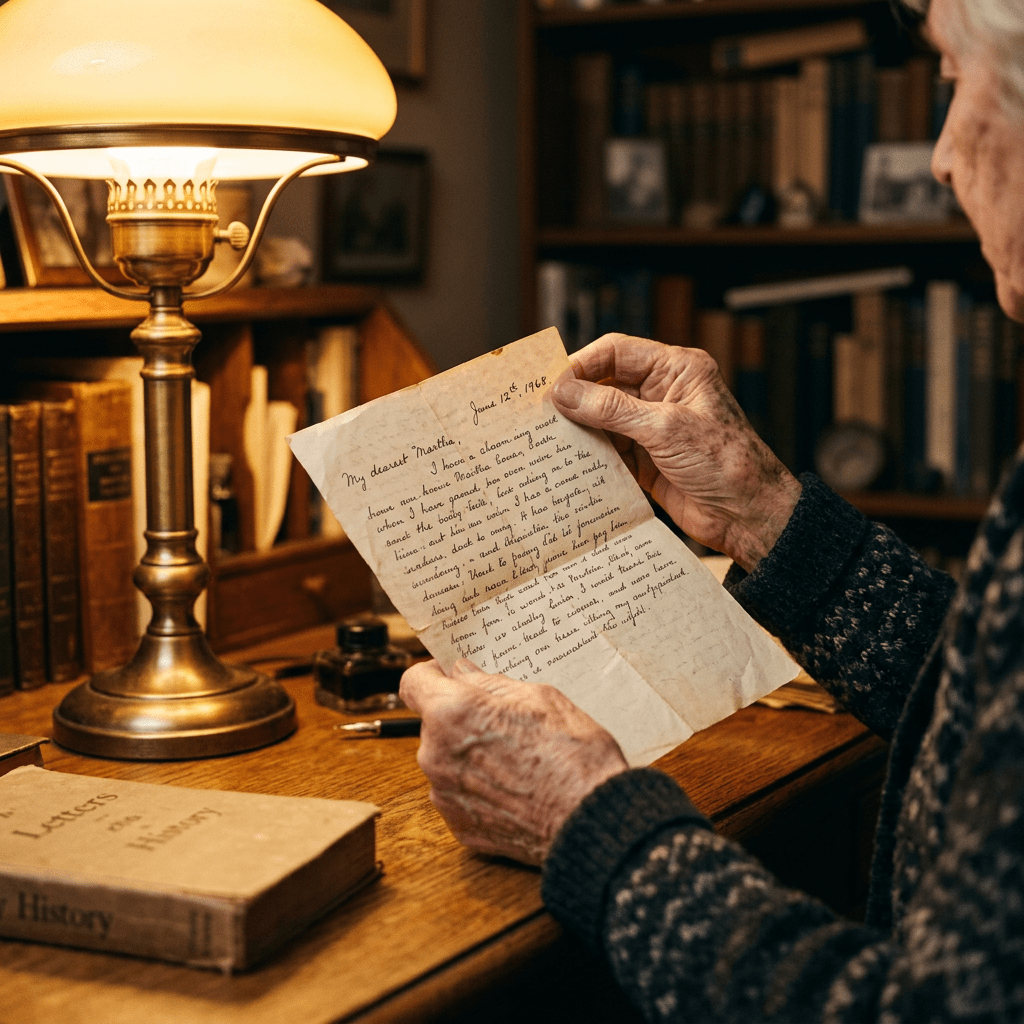
Memories that have nowhere to go. Ideas and plans that died. Grief that is painful but can’t be shown in public. All parts of disenfranchised grief are real, painful, and secret. I suggested she continue to come to the office; she would have one safe place to think about her life, fears, and misopportunities; however, she would write him a letter.
When writing this type of letter, you will have all the emotion in the first draft. It usually takes at least 3 revisions before you actually get to the words you want to say. Once this letter is written, you can burn it, bury it, or let it go tied to a balloon. I suggested she have her own death ritual for his person. Something that will only be meaningful to her. I cautioned that with these confusing memories and emotions, she will have some bad memories, but putting them all together will bring the real person to her grief.


Leave a comment