
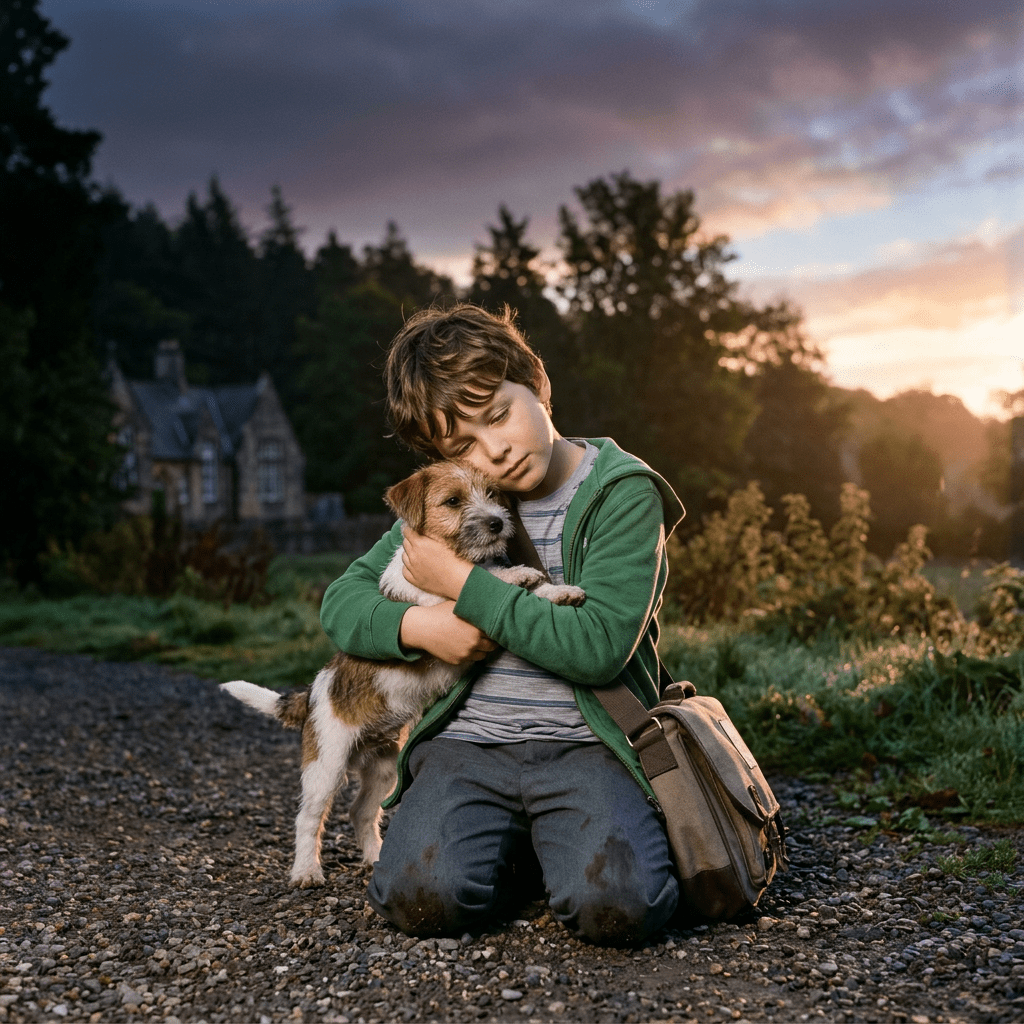
Depression in grief is one of the longest stages; unless you’re trapped in another stage, depression fluctuates, and many struggle to recognize it.
Depression is a sincere, deep sadness. I like the saying: “It’s not you I miss; it’s me I miss without you.”
With this deep sadness in the form of depression, it’s the person who is gone or the item that’s gone that leaves you with an empty hole that you can’t fill up.
The person who gave life to that part of your soul and heart is gone, and the reality of forging ahead without them brings intense, persistent sadness called depression.
For Scott, his depression was painful to watch, and he was so sad it may have made you sad to see him; he fell into a severe depression that felt impossible to help him move on. Nothing satisfied him, nothing sparked excitement, and he lost interest in activities he once loved.
He would say it’s just not fair, I just don’t want to do it, I don’t feel like doing anything. All the work on his channel, his website, the videos, he had nothing to do with them for over a year.
He couldn’t find his reason to go on, even though every day he would get up and do the things he needed to do, but he had no life in him.
During this time, he would also sleep. He slept 14 hours a day. He would get up long enough to do a few hours of his schoolwork, then go back to his room and fall back asleep.
Nothing could pull him out of this depression.
Some people who end up in a depression this deep, this badly may use some help in the form of medication, but Scott was young, and that wasn’t an option for him.
He quit playing the violin, stopped going to homeschool events, and didn’t even paint. Nothing was really bringing him out of this depression. He just needed time.
We organized a party for him, but it didn’t comfort him because he missed his mom deeply, and she wasn’t there to celebrate. Brief moments of happiness appeared, but quickly faded.
He didn’t want to go on any trips or any field trips; he didn’t want to go anywhere.
One day, I was at the store and saw someone selling puppies. I didn’t intend on getting a puppy, but one was given to us. When Scott saw this puppy, he started crying, picked it up, and found a reason to move on.
I’m not saying get a puppy to help your grief or the depression part of grief, but for Scott, that’s what worked.
He started taking pictures of the puppy and looking at all the ways we could train her. Our puppy had some special needs, so he had to pull out some study guides and information books and go online to see how he could best train her.
He gradually came out of his depression; he took our puppy to his mother’s grave, spoke to her, expressed how much he missed her, and felt his heartache easing, as if his mother had sent him the puppy to love.
Again, I’m not saying everybody needs to get a puppy, but time helps heal the sadness, and that sadness is real, it is hard, and it’s something you have to go through to get on the other side so you can start living again.
The living again is the hard part because you have to live again with whatever you lost, never being there, and the understanding that you won’t have that back.
One of the biggest things that Scott struggled with was the fact that his mother would never see him grow up, she wouldn’t see him graduate or get married or have a long life, and that really bothered him because he wanted her to be involved in all those things in his mind, even though he was young, he had plans and thoughts, and now he had to rearrange them.
That’s not any different than when we lose a spouse or a parent, and we’re older, we have to get our head wrapped around the fact that our life goes on, and they’re not a part of it.
A real, haunting fear is that memories will fade—you might forget their voice or their face.
At this time Scott was also having some trauma responses and trauma reactions in the form of nightmares and flashbacks he was having memories of his mother and things that they had done however they weren’t good things they were things that were making him scared like a camping trip where someone started a fire and it got out of control also some car rides that weren’t safe and an old house for his mom would go pick up something from a guy that he was never allowed to go in the house with her on these pickups or drop offs..
Trauma responses, flashbacks, and hard memories resurfaced,causing him confusion and greater depression because he struggled to process them. He wanted to remember his mom as loving and fun, not this woman who allowed unsafe behaviors in his life. He struggled with the idea that she would leave him in the car while she ran into a house to drop off or pick up things, that she would let him be alone, scared, and hungry, or that she would allow someone to throw gasoline on a campfire. These dreams, night terrors, were memories and flashbacks of the part of his mother he pushed aside, wanted to forget, but knew he had to accept it all.
That is typical as we start to come out of the depression and we’re not so sad, almost pining for the person. We’re not disoriented because we don’t know where to stand or how to walk in our life, or even be without the person, and when I start to move forward, some of those other memories come in, the memories that aren’t that good.
The idea that we never got to say goodbye, we never cleaned the air, so to speak, we never addressed the issues or got the answers we needed.
That also causes sadness and depression. Scott was struggling with that, and he would talk to his new puppy, hold it, talk to it, and try to process things. As he did, he started asking questions. They were hard questions for many of us to answer. We answered as honestly as we could for his age and helped him process what he could.
Depression is so hard that it takes time and willpower, or a will to live, to move on without the person, learning how to make a new normal.
It’s finding a reason to live. Scott found his reason to live: the puppy. However, his life wasn’t the same; the sparkle in his eye wasn’t the same. He still had a layer of anger, and he still felt that missing piece.
Those feelings, loneliness, and loss, are always with him; he started walking forward to make plans and find a new normal without his mother.
He goes to her gravesite on specific holidays now, not weekly or asking to go daily. He asks to go when he needs to talk to her, tell her what is going on in his life, and remember what was.
Grief is like a roller coaster; it’s fluid. This sadness will come back at times; maybe graduation, his first car, marriage; however, the deep dark depression with the heart-wrenching sadness may not.


Leave a comment