
Do You Remember Me?
Our hidden witness, our inner child, has seen all we have been through. It is the part of us that carries our earliest memories, hurts, and fears. Can you answer the question: “Who am I?”
Our inner child is the person we really are, the one who has been there from the beginning. (Editorial, 2026)
They saw everything and were frightened, scared, and terrified.
They are bursting to get out and let you know about the things you have pushed down: the family secrets, unspoken rules, and rituals you have forgotten. (33 Unspoken Toxic Family Rules and How to Override Them, 2025)
Finding your true self means taking off the masks, removing the bandages, and uncovering the secrets. It is who you really are under the masks, roles, and obligations. It is the person who was hidden, forgotten, and pushed aside so you could survive. (Erimez, 2025)
When growing up in an abusive household, whether neglect, sexual trauma, physical abuse, or traumatic grief, all play a part in your true self, your inner child, going into hiding. That young child or early adult saw, was part of, or took on roles that made it impossible to be themselves, the true person who longs to be let loose, loved, and accepted. (Inner Child Work in Psychotherapy: A Path to Healing and Integration, 2025)
Your hidden witness had to remain hidden to be safe; they had to survive however they could. Hiding meant safety, protection, and security. (Rappaport, 2026)
That child may have gone into hiding, but it never left; it will pop up in so many places, having fits, tantrums, or begging for attention. It is still with you, only asking to be part of you as a grown-up.
Healing your hidden witness takes time and work, but believe me, you will find that child in you and let it have a voice, grow and mature, and be a part of your life in a healthy way. (Kolk, 2014)
Abuse has been around as long as families have been around. (Dorahy et al., n.d.) One person was a pioneer of family therapy and play therapy, who helped us see the need for play, the inner child crying to come out, and the abuse that makes part of us go into hiding. That person was Virginia Satir; she gave us a new perspective on family dynamics and dysfunction. (Loeshen, 2020, pp. 61-69)
Even while hidden, that child saw everything and is trying to speak, grow, and learn how to integrate into the adult they are meant to be. (Bruschi, 2025)
Family roles show us how we take on personalities in our family, the roles we need to survive, and the personas we adopt to live. (Byng-Hall, 2008, pp. 129-146) Attachment theory and its understanding of childhood attachments gave us insight into how children and adults respond to others depending on how they are treated. Attunement and connection were reported to play an important part in this understanding. (Deneault et al., 2023) John Bowlby, the father of attachment theory, developed a solid understanding of attachment. He has others who worked with him and followed his training and research, adding to this understanding over the years. (Callans, 2026)
Your Hidden Witness can learn to move from a disorganized or insecure attachment to a secure attachment that sets boundaries, has appropriate expectations, and lives role-free—as themselves. (Bosmans et al., 2022) Loving life, making plans, and being excited to see tomorrow.
How do you start to find your true self? That answer comes in many forms, but you will learn how to use cognitive therapy to help with strong emotions that might arise, understand why those thoughts are related to the triggering emotions or behavior, and find a place of freedom by taking control of what controls you.
You will learn what you really want and need. What your values are and how to make boundaries.
You will learn to identify your needs, not someone else’s needs for you to have, but your true needs. This could be physical, like Maslow’s hierarchy, or financial, spiritual, or emotional. (The hierarchy of needs: Empirical examination of Maslow’s theory and lessons for development, 2023) Learning to have your needs met in a healthy way and understanding how you react and respond when they are not.
Understanding you need to grieve, if you were not allowed to grieve your lost childhood, your lost innocens, or your personality as you took up a role assigned to you by family duty or members, you will learn to grieve in a healty way and find a way to reenter your new live with a healthy and happy inner child who is longing to be loved, grieved over, and accepted.
You will also begin to understand the core issues that may be keeping you from moving on, having tantrums as an adult that look like a child’s, or fearing independence, making boundaries, or living your own life.
Therapy and childhood trauma work is not linear but circular, all connected, and each piece helps the others grow and learn to move forward. (Frawley & Taylor, 2024) Your inner child is crying to be held, let out of her darkness, and joined into adult life. Working with someone on childhood trauma, inner child healing can be difficult, fearful, and feel intrusive, but the end result is worth the bit of struggle. (Smith & Turner, 2023)
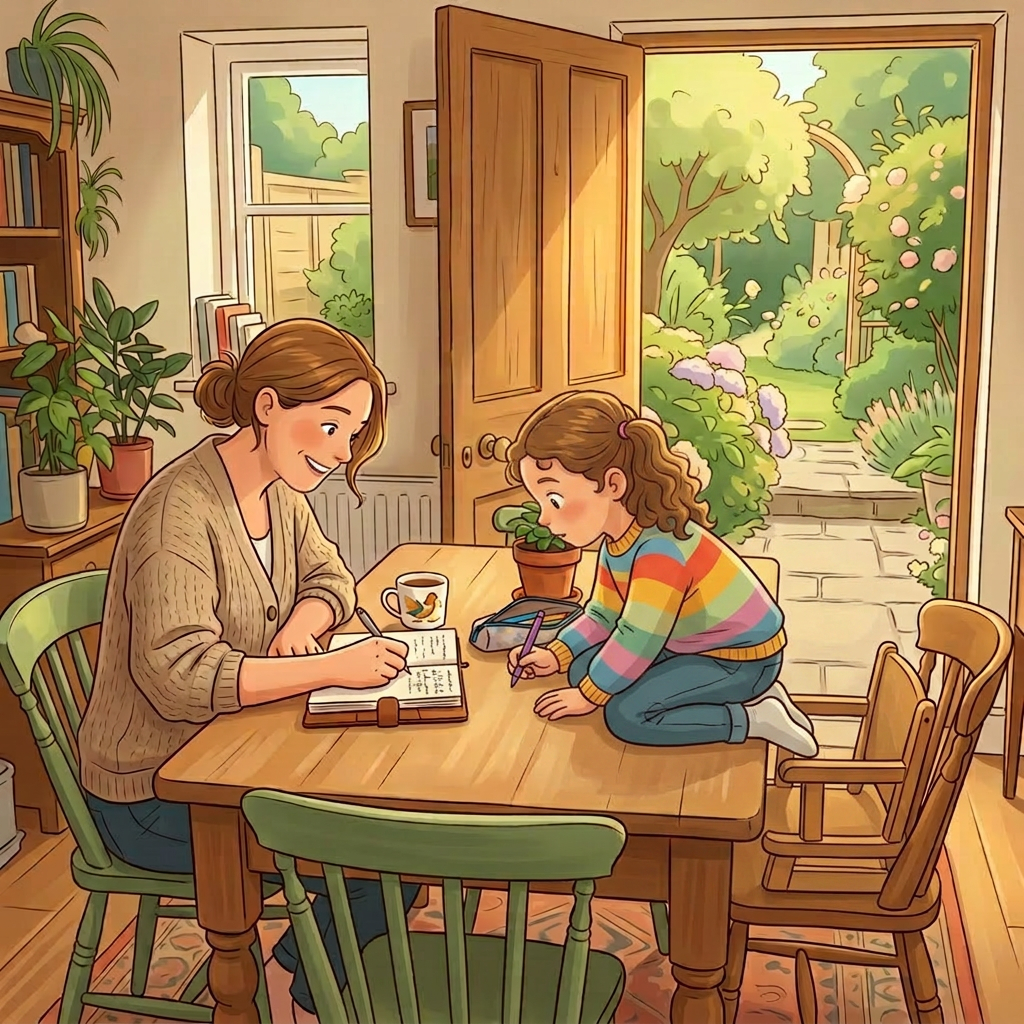
One way to begin your childhood trauma would be to journal. Journaling has been known to be helpful and revealing of hidden truths. One way I have my clients do this work is by writing a letter to their younger selves. Or you can write a letter from your younger self to you.
It has also been effective to use your dominant hand to write to your younger self and allow time for that younger self to write back with your non-dominant hand. This can be an ongoing conversation. Having your letters, questions, writings, and art journaling in one book helps keep you focused and gives you time to answer or ask questions you may have forgotten to ask.
It is always a good choice to find a therapist who can help you through this process and guide you toward healing.
You can also find additional resources and references below:
- References
- Loeshen, S. (2020). Family therapy using the Satir process. Socialinis Darbas: Patirtis ir Metodai 26(2), pp. 61-69. https://doi.org/10.7220/2029-5820.26.2.3
- Callans, M. (2026). Attachment Theory Explained. Psychology.com. https://psychology.com/concepts/attachment-theory
- Deneault, A., Hammond, S. I. & Madigan, S. (2023). A meta-analysis of child-parent attachment in early childhood and prosociality. Developmental Psychology 59(2). https://doi.org/10.1037/dev0001484
- Bosmans, G., Vlierberghe, L. V., Bakermans-Kranenburg, M. J., Kobak, R., Hermans, D. & IJzendoorn, M. H. (2022). A Learning Theory Approach to Attachment Theory: Exploring Clinical Applications. Clinical Child and Family Psychology Review 25. https://doi.org/10.1007/s10567-021-00377-x
- (2023). The hierarchy of needs: Empirical examination of Maslow’s theory and lessons for development. World Development 165. https://doi.org/10.1016/j.worlddev.2023.106185
- Editorial, S. P. (2026). Inner Child Healing: What It Is, What the Research Shows, and How to Begin. Simply Psychology. https://www.simplypsychology.com/articles/inner-child-healing-guide
- Byng-Hall, J. (2008). The crucial roles of attachment in family therapy. Journal of Family Therapy 30(2), pp. 129-146. https://doi.org/10.1111/j.1467-6427.2008.00422.x
- Frawley, C. & Taylor, D. (2024). The relational change mechanisms of child‐centered play therapy with children exposed to adverse childhood experiences. Journal of Counseling & Development 102. https://doi.org/10.1002/jcad.12500
- (2025). 33 Unspoken Toxic Family Rules and How to Override Them. Psychology Today. https://www.psychologytoday.com/us/blog/childhood-emotional-neglect/202511/33-unspoken-family-rules-and-how-to-override-them
- Erimez, N. (2025). Social Masks and the True Self. Psychology Times. https://psychologytimes.co.uk/social-masks-and-the-true-self/
- (2025). Inner Child Work in Psychotherapy: A Path to Healing and Integration. Therapy Space. https://www.therapy-space.net/inner-child-work-in-psychotherapy/
- Bruschi, C. (2025). Inner Child Work in Psychotherapy: A Path to Healing and Integration. Therapy Space articles. https://www.therapy-space.net/inner-child-work-in-psychotherapy/
- Smith, J. & Turner, R. (2023). Healing the Inner Child: The Role of Attachment, Family Dynamics, and Trauma-Informed Therapy. Psychology Press. https://www.psychologypress.com/healing-inner-child


Leave a comment