
Hindsight bias is a cognitive tendency in which individuals believe, after an event has occurred, that the trauma/ abuse/ attack was predictable and that they could have changed the outcome. This bias often leads people to assume excessive responsibility or blame for outcomes they could not reasonably have anticipated. For instance, one might think, “I should have cut down that tree last year,” even though there was no way to know it would fall.
Looking back at our trauma, we become our enemies, saying: I should have done this… I could have prevented this… or I take responsibility because I did not do… All good in theory, but not true.
In trauma, hindsight bias falsely suggests you could have predicted or stopped the event, making you take on unnecessary blame. For instance, blaming yourself for an accident ignores the fact that you were on the road, and someone cut out in front of you, or there was an object in the road you had to swerve and miss. So in reality, you never intended it to cause an accident or hurt anyone.
You may blame yourself or feel you were not a victim in a domestic violence situation, but rather the one who deserved it, chose this, or caused it. When you realize you were the victim, your mind may wander, and you begin to think you should have left sooner. Yet leaving earlier may not have been safe or possible without finances, a safe place to go, important financial documents, birth certificates, or a vehicle. Did you leave when it was safe for you? Hindsight bias can help you to understand that you are not guilty, shame is not a part of this picture, and you left when it was right for you.
Listening to your stuck points and distortions, and believing you have more power or predictability, can lead people to believe they made things happen.
Looking at Intent: Did you intend for your trauma to happen? I would say no, no one expects a traumatic event to happen. You may ask yourself: Did I have other options? Were they realistic? Could I have carried them out without getting hurt or hurt worse than I did? If you do not see where, at any time, anything was an option except what happened, then you were not in full control of yourself or the situation.
Going to the party did not cause the event or make you bad. It was just a party, nothing happened. Someone caused the event. It was not you. Hindsight asks, “Did you intend this?” When you put it in the perspective of, “I did not choose this; I did not ask for this.” At the time, I did not consider that this (trauma) would happen; you begin to break out of your stuck points and self-blame.
When remunating on stuckpoints related to the trauma, consider: If at the time, would you have made a different choice?
There are a few ways to look at hindsight bias. Because we tend to ruminate on our past, regrets, and stuck points, we often blame ourselves, make excuses, or predict actions that have already happened, even though we did not have the knowledge or power to foresee that the trauma or event would occur.
A few questions you can ask yourself are:
This exercise will work with stuck points related to the trauma.
Pick a stuck point: I should have known better. I should have left earlier. I always mess up. I knew this would happen.
If you are ruminating on the past and questioning what you did or did not do, ask yourself these:
At the time, did I know this would happen?
At the time, would I have done something else? You may believe you could have, but was it really possible? Did your fight-or-flight – freeze response set in, or did someone stronger or bigger than you have the control? Were you a child at the time? Was it a natural disaster, accident, or attack you had no control over?
Remember, you must focus on the moment the event happened, not your perspective now with hindsight.
With this perspective, what were you thinking and feeling at the time? Did you want to go to the party and feel happy? Did you always drive that route and nothing happened? Did you know the trauma/abuse would happen?
One important thing to remember is that when we are in danger, we have a natural response: fight, flight, or freeze. If we grow up in an abusive household, those natural responses will follow us into adulthood at different times, where our trauma response mixes with our natural response.
A natural response can occur, and we can’t control it until our logical brain is active. This explains why we react and think later. If your response was a natural response, you were not ‘thinking through,’ and later, when you had your fully functioning thought processes and accessed your logical brain, you came up with all the ways you could have done something different. But in reality, your brain was telling you that you are in danger and run, freeze, or fight, and that is what you did.
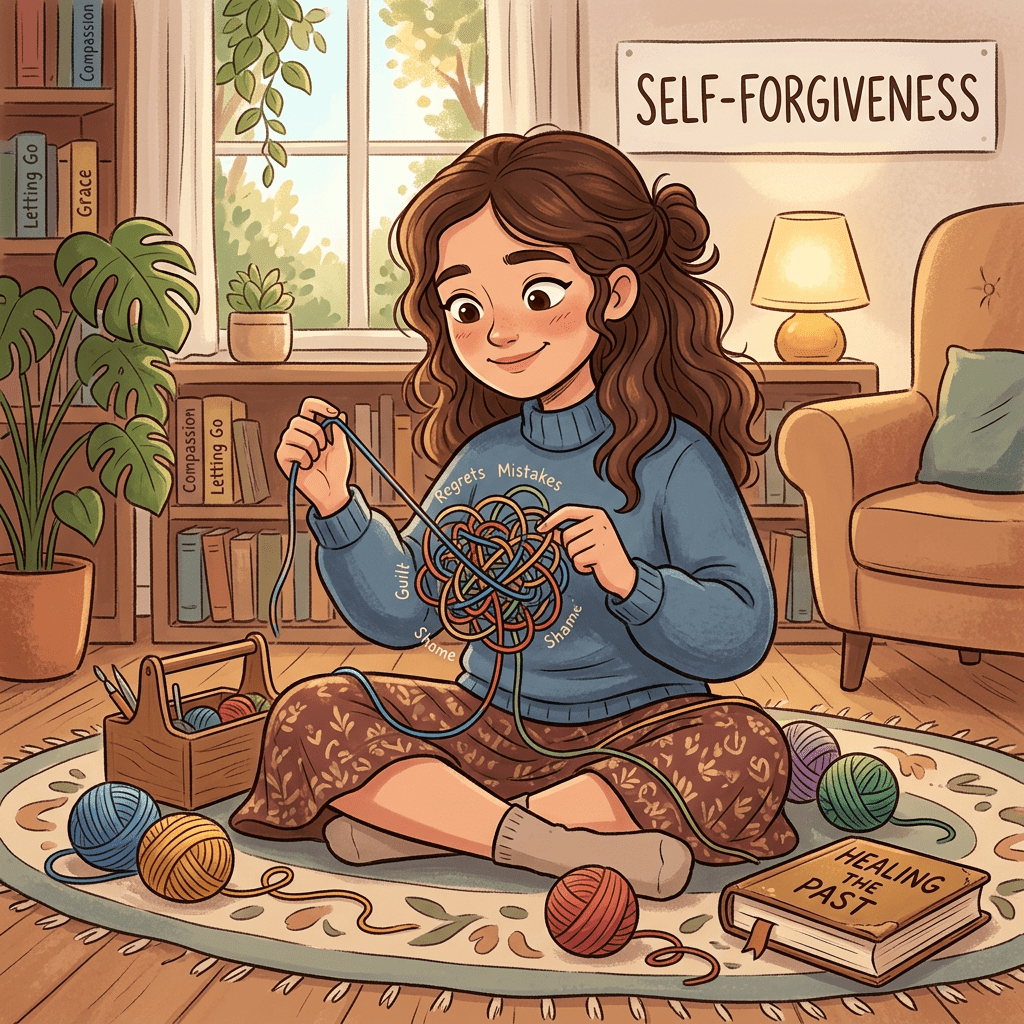
Recognizing how stuck points and cognitive distortions keep us holding on to what we might have done. Understanding hindsight bias in relation to the traumatic event, which can cause guilt, shame, and self-blame, helps you understand why you reacted as you did and gives you the freedom to forgive yourself, give yourself grace, and put the blame where it belongs.
By realizing that your reactions were determined by natural survival mechanisms and that you could not have accurately predicted or controlled the outcome, you can begin to let go of unnecessary guilt and approach your experiences with greater self-compassion.


Leave a comment