
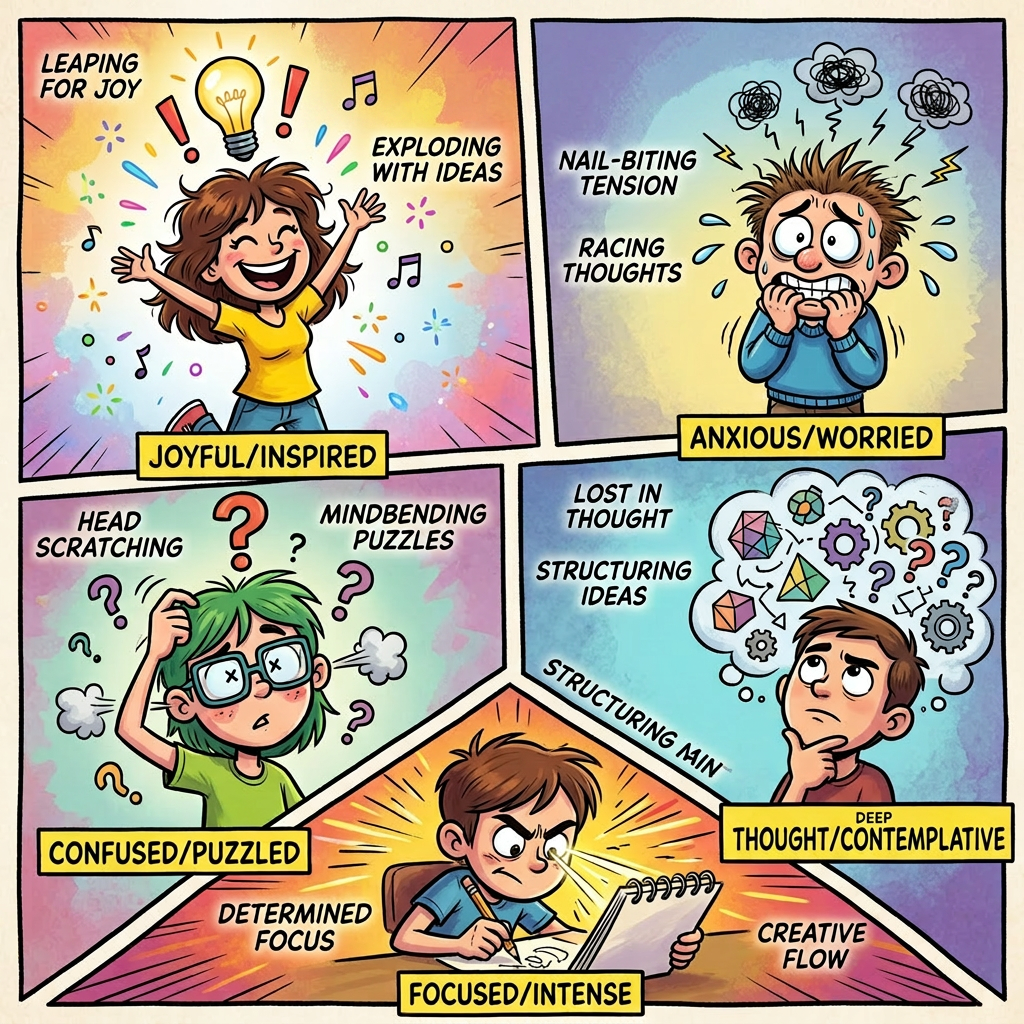
How do we behave when our thoughts or emotions have control?
Understanding Behaviors can be difficult, as most people just react; they don’t think about how their reactions relate to their thoughts or the emotions running wild. Noticing behaviors, identifying their triggers, and capturing thoughts or emotions can change your reaction time and processing speed.
Some common reactions are:
Yelling, screaming, tantrums, aggression, throwing items, or punching: all stem from your fight response. The fight response is an instinctive reaction to feelings of danger or threat.
Crying, hiding, moving backward, finding safety, running away, talking, or placating are natural responses within the flight reaction. When confronted by something you want to escape, these behaviors may emerge as you attempt to gain freedom or distance yourself from danger. Connecting these actions to specific situations gives insight into your own responses.
Freeze response occurs when escape seems impossible. Extended exposure to situations like domestic violence, bullying, abuse, war, or neglect can make escape feel unattainable. You observe life passively, detach, minimize the severity, compare situations, hope for a quick resolution, or daydream.
Here are a few other responses you may have. You may not do them all or any of them, but most of us have used these safety responses at different times in our lives.
Lose control
seek approval
blame ourselves
feeling guilty, so you give in
difficulty asking for what you want
isolate for others
put yourself last
cling to others
lie, manipulate, coerce others
can’t be yourself- afraid to be yourself
feeling rejected, abandoned, wrong
enjoy the chaos
withdrawing
looking for a new relationship
blaming
self-harm
no motivation
lack of empathy
attention seeking
doubting yourself
whining
being sarcastic
being obsessive
Any of these behaviors may be ways you react to an emotional issue. If you rely on them as emotional reactions instead of using assertive communication, addressing what is happening, or expressing yourself effectively, but instead react with unwanted behaviors, this is usually not helpful. Knowing your triggers, understanding your reactions to emotions or a situation, and addressing them with honest communication, emotional discernment, and openness/assertiveness makes life so much easier.
Learning to develop this skill and understand your emotions, thoughts, and behaviors that trip you up may seem difficult; however, it is not as difficult as continually being in a reactive, responsive, volatile state.


Leave a comment